
When Diabetic Feet Feel Uncomfortable, Puffy, or Out of Balance

Diabetic feet can reveal a great deal about overall health, especially when they feel unusually cool, look enlarged, or develop rough, flaky skin. Changes in temperature may point to circulation concerns, while altered sensation can be related to nerve function. A puffy appearance around the feet or ankles often reflects fluid buildup, which may occur after long periods of standing or sitting, or in connection with vascular, heart, or medication-related issues. Skin that feels tight or irritated may signal reduced moisture, impaired blood flow, or environmental exposure. These signs often appear together because circulation, nerves, skin, and soft tissues are closely connected. If these changes are persistent, uncomfortable, or worsening, it is suggested that you see a podiatrist who can help identify the cause and guide appropriate treatment.

Diabetic foot care is important in preventing foot ailments such as ulcers. If you are suffering from diabetes or have any other concerns about your feet, contact Alice Kim, DPM from 101 Foot and Ankle. Our doctor can provide the care you need to keep you pain-free and on your feet.

Diabetic Foot Care

Diabetes affects millions of people every year. The condition can damage blood vessels in many parts of the body, especially the feet. Because of this, taking care of your feet is essential if you have diabetes, and having a podiatrist help monitor your foot health is highly recommended.

The Importance of Caring for Your Feet

  • Routinely inspect your feet for bruises or sores.
  • Wear socks that fit your feet comfortably.
  • Wear comfortable shoes that provide adequate support.

Patients with diabetes should have their doctor monitor their blood levels, as blood sugar levels play such a huge role in diabetic care. Monitoring these levels on a regular basis is highly advised.

It is always best to inform your healthcare professional of any concerns you may have regarding your feet, especially for diabetic patients. Early treatment and routine foot examinations are keys to maintaining proper health, especially because severe complications can arise if proper treatment is not applied.

If you have any questions, please feel free to contact our office located in Camarillo, CA . We offer the newest diagnostic and treatment technologies for all your foot care needs.

Read more about Diabetic Foot Care

Symptoms and Causes of Heel Spurs

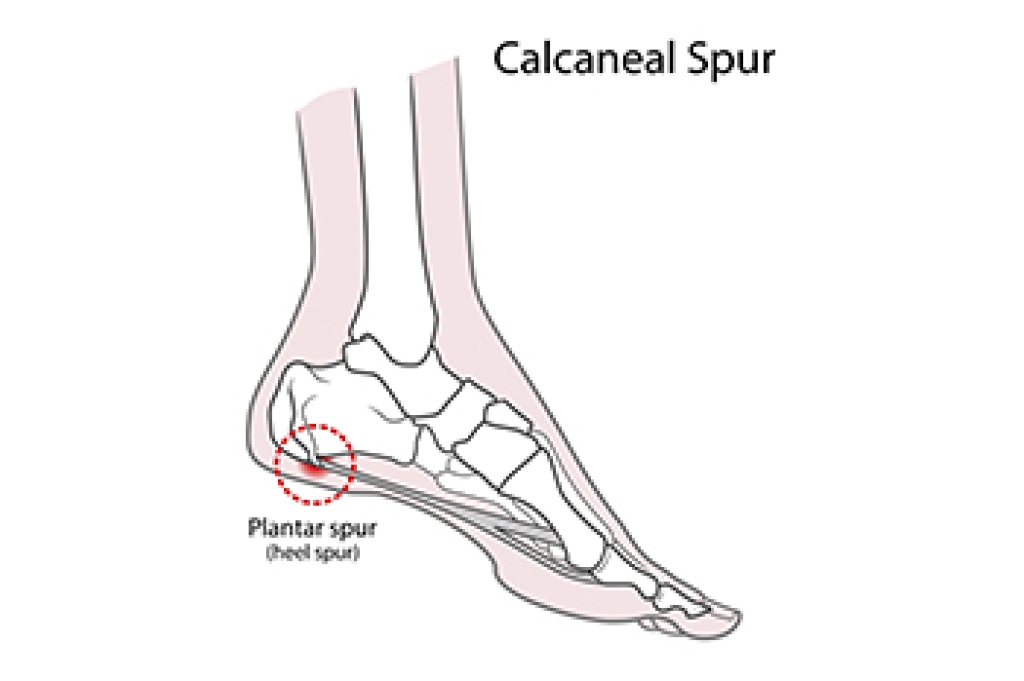
Heel spurs, a common cause of ongoing heel pain, develop when calcium deposits build up on the underside or back of the heel bone. This condition is often linked to repeated stress placed on the foot, especially where muscles and connective tissue attach to the heel. Symptoms include sharp pain when taking the first steps in the morning, aching or tenderness after standing or walking, and discomfort that worsens after activity rather than during it. Heel spurs are frequently associated with strain on the plantar fascia, a band of tissue along the bottom of the foot. Other causes are poor foot mechanics, long periods of standing, excess body weight, or wearing shoes that do not properly support the heel. Athletes and those whose jobs require prolonged time on their feet may be at higher risk. If you are experiencing heel pain, it is suggested that you make an appointment with a podiatrist for an exam, diagnosis, and treatment.

Heel spurs can be incredibly painful and sometimes may make you unable to participate in physical activities. To get medical care for your heel spurs, contact Alice Kim, DPM from 101 Foot and Ankle. Our doctor will do everything possible to treat your condition.

Heels Spurs

Heel spurs are formed by calcium deposits on the back of the foot where the heel is. This can also be caused by small fragments of bone breaking off one section of the foot, attaching onto the back of the foot. Heel spurs can also be bone growth on the back of the foot and may grow in the direction of the arch of the foot.

Older individuals usually suffer from heel spurs and pain sometimes intensifies with age. One of the main condition's spurs are related to is plantar fasciitis.

Pain

The pain associated with spurs is often because of weight placed on the feet. When someone is walking, their entire weight is concentrated on the feet. Bone spurs then have the tendency to affect other bones and tissues around the foot. As the pain continues, the feet will become tender and sensitive over time.

Treatments

There are many ways to treat heel spurs. If one is suffering from heel spurs in conjunction with pain, there are several methods for healing. Medication, surgery, and herbal care are some options.

If you have any questions, please feel free to contact our office located in Camarillo, CA . We offer the newest diagnostic and treatment technologies for all your foot care needs.
Read more about Heel Spurs

Differences Between Curved and Ingrown Toenails

A severely curved toenail, referred to as a harpoon nail, is a structural nail shape in which the edges bend downward and form a tight arc as the nail grows. This shape alone can cause pressure and irritation because the nail naturally presses into the surrounding skin. An ingrown toenail, however, occurs when the nail edge actually pierces the skin and creates inflammation, swelling, and sharp discomfort. Although the two problems are connected, they are not the same. A curved nail increases the likelihood of developing an ingrown nail, but the ingrown portion is the injury that forms once the skin breaks. Shoes that squeeze the toe, trimming the nail too closely, or repeated pressure can turn a curved nail into an active ingrown issue. A podiatrist can relieve the painful area, reshape the edge, and determine if a minor procedure is needed to prevent recurrence. If your toenail shape keeps causing irritation, it is suggested that you see a podiatrist for effective relief and treatment options.

Ingrown toenails may initially present themselves as a minor discomfort, but they may progress into an infection in the skin without proper treatment. For more information about ingrown toenails, contact Alice Kim, DPM of 101 Foot and Ankle. Our doctor can provide the care you need to keep you pain-free and on your feet.

Ingrown Toenails

Ingrown toenails are caused when the corner or side of a toenail grows into the soft flesh surrounding it. They often result in redness, swelling, pain, and in some cases, infection. This condition typically affects the big toe and may recur if it is not treated properly.

Causes

  • Improper toenail trimming
  • Genetics
  • Improper shoe fitting
  • Injury from pedicures or nail picking
  • Abnormal gait
  • Poor hygiene

You are more likely to develop an ingrown toenail if you are obese, have diabetes, arthritis, or have any fungal infection in your nails. Additionally, people who have foot or toe deformities are at a higher risk of developing an ingrown toenail.

Symptoms

Some symptoms of ingrown toenails are redness, swelling, and pain. In rare cases, there may be a yellowish drainage coming from the nail.

Treatment

Ignoring an ingrown toenail can have serious complications. Infections of the nail border can progress to a deeper soft-tissue infection, which can then turn into a bone infection. You should always speak with your podiatrist if you suspect you have an ingrown toenail, especially if you have diabetes or poor circulation.

If you have any questions, please feel free to contact our office located in Camarillo, CA . We offer the newest diagnostic and treatment technologies for all your foot care needs.

Read more about Ingrown Toenail Care

Understanding Early Foot Stiffness in Newborns

When a newborn’s foot will not flex easily, it can be concerning for parents, but early evaluation helps ensure healthy development. Limited foot motion may be related to positioning in the womb, tight tendons, or a structural issue such as congenital clubfoot or metatarsus adductus. A podiatrist begins by gently assessing the foot’s range of motion, checking muscle tone, and noting whether the stiffness changes with soft stretching. Most flexible positional conditions improve with simple hands-on therapy, guided stretching, and monitoring as the baby grows. When the foot remains rigid or shows signs of deformity, treatment may include splinting, casting, or other corrective techniques to support proper alignment. Early care makes a significant difference in long-term mobility and comfort. It is suggested that you see a podiatrist promptly if your newborn’s foot does not move or flex as expected.

Making sure that your children maintain good foot health is very important as they grow. If you have any questions, contact Alice Kim, DPM of 101 Foot and Ankle. Our doctor can provide the care you need to keep you pain-free and on your feet.

Keeping Children's Feet Healthy

Having healthy feet during childhood can help prevent medical problems later in life, namely in the back and legs. As children grow, their feet require different types of care. Here are some things to consider...

Although babies do not walk yet, it is still very important to take care of their feet.

Avoid putting tight shoes or socks on his or her feet.

Allow the baby to stretch and kick his or her feet to feel comfortable.

As a toddler, kids are now on the move and begin to develop differently. At this age, toddlers are getting a feel for walking, so don’t be alarmed if your toddler is unsteady or ‘walks funny’. 

As your child gets older, it is important to teach them how to take care of their feet.

Show them proper hygiene to prevent infections such as fungus.

Be watchful for any pain or injury.

Have all injuries checked by a doctor as soon as possible.

Comfortable, protective shoes should always be worn, especially at play.

If you have any questions, please feel free to contact our office located in Camarillo, CA . We offer the newest diagnostic and treatment technologies for all your foot care needs.

Read more about What to Do to Keep Your Child’s Feet Healthy

Are You Suffering From Ingrown Toenails?

If left untreated, an ingrown toenail can lead to more serious concerns, such as an infection. Knowing proper nail care can help in the prevention of an ingrown toenail. Give us a call, and get treated!

Connect With Us

scroll to top